
On-Site Waste Compaction — Macon, GA
On-Site Waste Compaction in Macon, GA
A mobile compaction unit comes to your facility and crushes the waste already inside your roll-off — so the same container holds more before it has to be hauled.
- Macon, GA based
- Monday – Friday, 7am – 5pm
- Commercial & Industrial Accounts
- Fully self-contained mobile unit
What On-Site Compaction Is
Mobile on-site compaction is a service, not a machine you buy. A self-contained unit drives to your facility, positions a heavy steel drum over the open container you already have, and rolls it back and forth across the load. The drum's own weight collapses the voids — flattening boxes, splitting pallets, crushing packaging down — until the material lies dense instead of bridged. Nothing is installed, nothing is modified, and nothing leaves your site during the compaction. It takes about ten minutes per container, and your operation does not stop.
Why It Pays
Commercial waste is billed around the trip. Cardboard, pallets and packaging fill a container with air long before they come near its weight limit — so every early pull is a full-price truck run spent moving empty space. Compaction removes the air, and the trips that were only moving air come off your schedule.
A Lower Monthly Bill
Fewer haul-offs on the same waste — the pull charge is the only line on the bill that ever really moves. On a real account: $800 a month back, about twenty-two percent.
Check My Savings →Ten-Minute Visits, Not Hour Swaps
Hour-long container swaps become ten-minute crush visits — our truck shows up instead of a swap. Easier, simpler, faster.
You'll Know When to Pull
We monitor the container and flag it before it overflows — the haul-off becomes a decision instead of a guess.
Your Crew Stays Off the Trash
Nobody on your team climbs a load or manages waste — and no more emergency calls to the hauler.
Watch it happen on your own container.
Get a Free DemoUp to 70% Volume Reduction
Compaction does not remove waste. It removes the air around the waste, which means how much space comes back depends entirely on what is in the container. Here is the breakdown.
| Material | Volume reduction |
|---|---|
| Cardboard, packaging and recyclables | 60–70% |
| Compost and organics | 50–60% |
| Construction and demolition debris | 40–50% |
| Wood and pallets | 40–50% |
| Mixed metals | 40–50% |
Cardboard and packaging sit at the top of that range, which is why the honest headline is up to seventy percent and not about seventy percent. Mixed loads plan around two to one — two container-loads per haul-off. Cardboard-heavy runs closer to three to one. Your material sets your number; the free demo measures it on your own waste.
Where the Savings Come From
Everybody Wins Except the Air
A fair question: if this saves you money, who is losing it?
You
You pay for waste moved, not air moved — the same waste leaves in fewer trips, and the trip fee was always the only line you could actually move.
Your Hauler
They run fewer, fuller trips — more revenue per mile — and the account stays theirs. With the local landfill closed, many hauls in this market run counties away, so a full container is the account they want to keep: dense loads, no dry runs, no overage cleanups. And if they carry the compaction themselves, they earn on every crush.
Us
We get paid per crush. For compaction-only customers who keep their existing hauler, your hauling account stays with that hauler — Max Compacx provides the compaction service. Density is the whole business.
The savings do not come out of anyone's pocket. They come out of trips that never run.
Run it on your numbers.
Check My SavingsAlready Have a Hauler?
Adding Compaction to an Existing Service
Three checks and you are running: confirm the container owner is on board — we handle that conversation with them. Confirm your material is a fit — the demo answers that on the spot. And if your service runs on a fixed schedule, ask about moving to on-call, so you are not paying for pulls you no longer need. That is the whole list.
See the Difference
Before & After On-Site Compaction
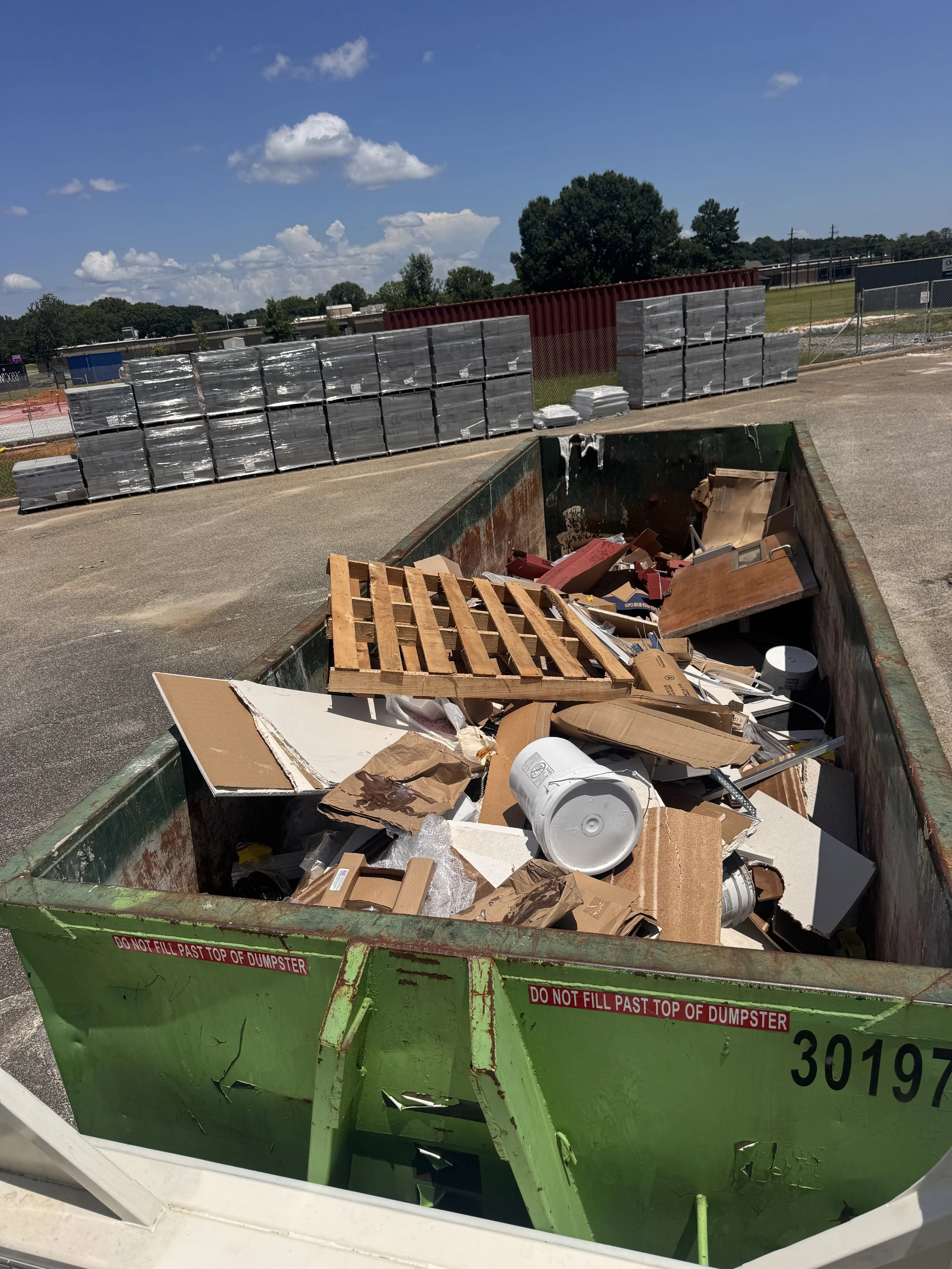
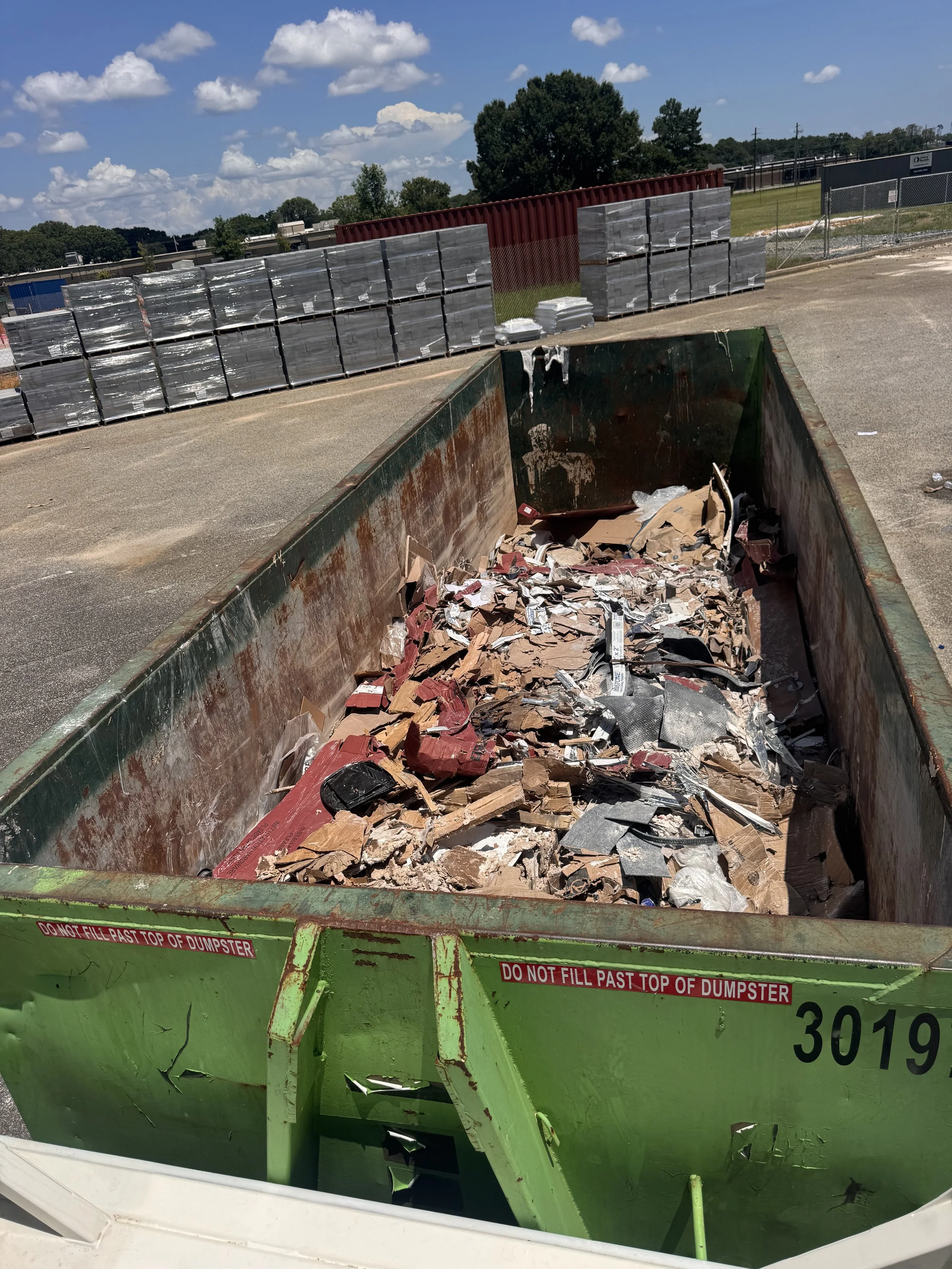
Same containers, same waste — the only thing that changed is the air around it. Watch how much room comes back after a single compaction pass. Click any pair to see a larger view.
 Before
 After
AfterMixed commercial waste
 Before
 After
AfterBulky commercial waste
 Before
 After
AfterLoose construction debris
 Before
 After
AfterPacked & palletized waste
See It on Your Own Container
Ten Minutes, Your Site, Your Dumpster.
We bring the unit to your facility, compact a container while you stand there, and you see exactly how much room comes back. It takes about ten minutes, it is free, and if your material or your volume is not a fit we will tell you that on the spot.
Frequently Asked Questions
See What Comes Back on Your Own Container.
Tell us your site and your container — we'll take it from there.